
Introduction to Attic Conversion
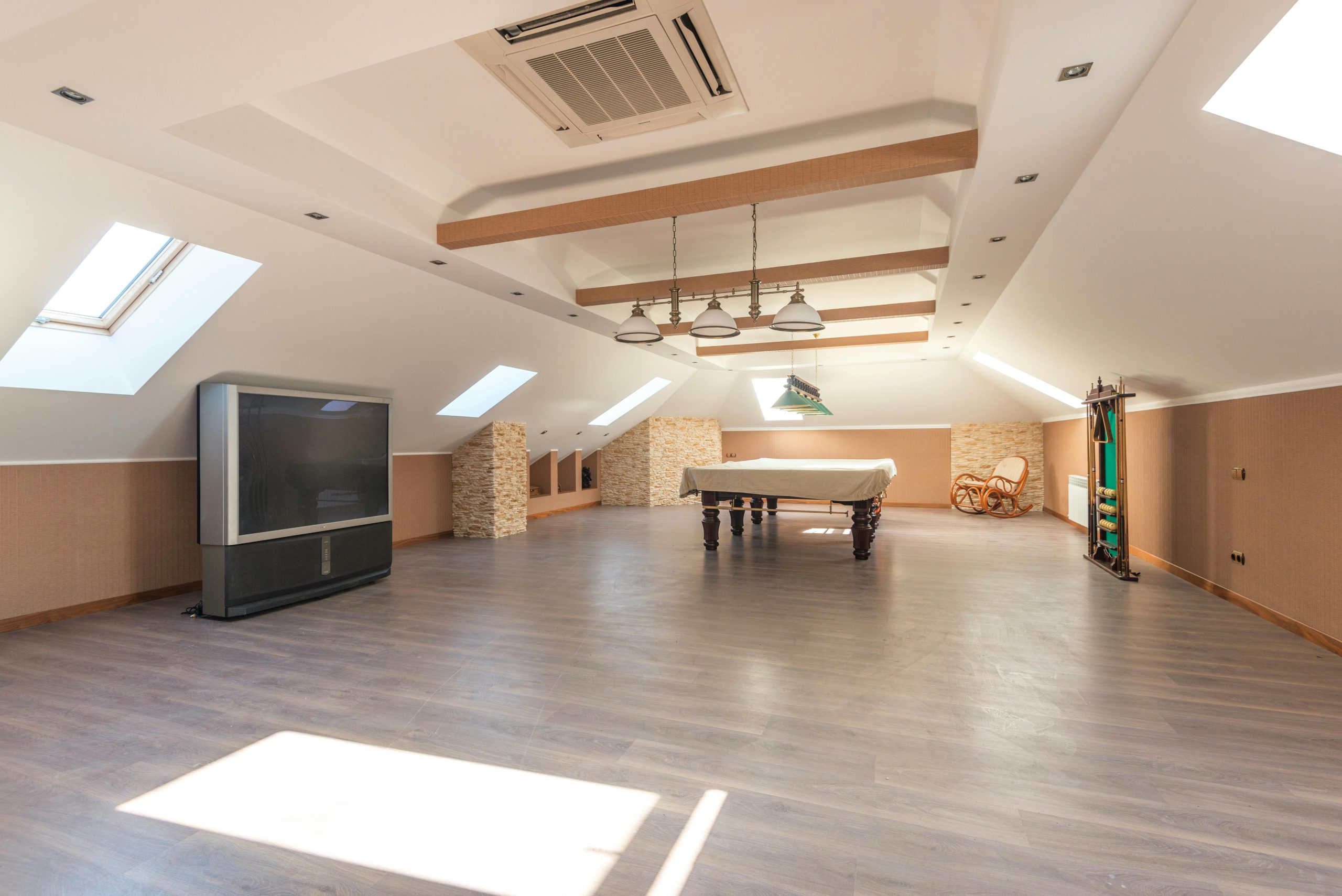
Converting an attic into a livable space is an excellent way to maximize your home’s potential without expanding its footprint. In Roanoke, where the charm of older homes often comes with limited square footage, utilizing your attic effectively can significantly enhance your living space. Whether you envision a new bedroom, home office, or playroom, an attic conversion can transform underutilized space into a functional, aesthetically pleasing area.
Attic conversions not only add value to your home but also improve its functionality. With the right planning and execution, this project can be one of the most rewarding home improvements you undertake. This guide from Reynolds Home Improvement and Repairs will walk you through everything you need to know to successfully convert your attic, from initial considerations to final touches.
Understanding Local Building Codes and Permits
Before embarking on your attic conversion, it’s crucial to familiarize yourself with Roanoke’s building codes and permitting process. Each city and county may have specific regulations regarding structural alterations, fire safety, and occupancy that you must comply with. Failure to adhere to these can result in costly fines or even the need to undo completed work.
In Roanoke, typical concerns include ceiling height, which should be at least 7 feet over a significant portion of the attic, and ensuring proper insulation and ventilation to meet energy efficiency standards. Additionally, the space should have adequate egress, such as a window or staircase, to ensure safety in case of an emergency.
Acquiring the necessary permits is a critical step. This process often involves submitting detailed plans to the city’s building department. Working with a professional who understands local codes can streamline this process, ensuring that your project is compliant and avoiding potential legal hassles.
Assessing Your Attic’s Suitability
Not all attics are created equal, and understanding the physical conditions of your space is crucial for a successful conversion. Start by assessing the structural integrity of the attic. The flooring must be strong enough to support the added weight of furniture and people. Reinforcement might be necessary if the existing floor joists are not up to par.
Next, consider the roof’s shape and pitch. A steeply pitched roof provides more headroom, making the space feel less cramped and more versatile. Additionally, check for any signs of water damage or leaks in the roof, as these issues must be addressed before any conversion work begins.
The current state of insulation and ventilation is also important. Proper insulation is necessary to make the space comfortable year-round, while good ventilation prevents moisture buildup, which can lead to mold and structural damage. Both elements are vital for creating a healthy living environment.
Design and Planning Considerations
Once you have assessed your attic’s suitability, the next step is designing a space that fits your needs. Start by deciding on the purpose of the room. Will it be a bedroom, office, or something else? This decision will guide the layout and furnishings you choose.
Consider the natural light available through existing windows or skylights. Light is essential in making the space feel open and inviting. If necessary, plan to add windows or skylights to enhance the lighting. Additionally, think about the placement of electrical outlets and lighting fixtures during this stage to avoid any layout conflicts later.
Storage is another key consideration, especially in spaces with sloped ceilings. Built-in shelves or cabinets can maximize storage without taking up valuable floor space. Clever use of nooks and crannies can turn awkward spaces into functional storage areas.
Choosing the Right Materials
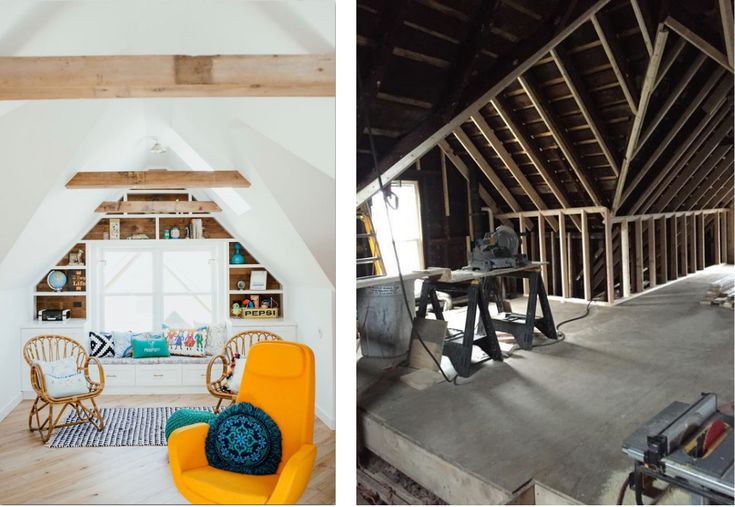
The materials you choose for your attic conversion will significantly impact both the aesthetics and functionality of the space. Start with flooring. Hardwood or laminate flooring can add warmth and style, while carpet can provide comfort and soundproofing.
For walls and ceilings, consider using drywall for a smooth, clean finish. However, if you prefer a rustic look, exposed beams or shiplap can add character. Insulation materials are equally important; spray foam offers excellent insulation and can fill in small gaps, though batt insulation is also a viable choice.
When selecting finishes and fixtures, durability and maintenance should be top priorities. Opt for materials that can withstand temperature fluctuations and are easy to clean, ensuring your attic remains a pleasant space for years to come.
Implementing Energy Efficiency
Energy efficiency should be a primary consideration in any attic conversion. Proper insulation is crucial, as the attic can be one of the most significant sources of heat loss in a home. High-quality insulation will keep the space comfortable and reduce energy bills.
Windows and skylights should be double-glazed to prevent heat loss and reduce noise pollution. Additionally, consider installing energy-efficient lighting, such as LED bulbs, which consume less power and have a longer lifespan compared to traditional incandescent lights.
Incorporating energy-efficient appliances and HVAC systems can further enhance the sustainability of your attic conversion. A mini-split system is an excellent choice for heating and cooling, providing precise temperature control and energy savings.
Ensuring Adequate Lighting and Ventilation
Lighting and ventilation are critical components of a successful attic conversion. Proper lighting can transform a dim, cramped space into a bright, welcoming room. Natural light is ideal, so maximize it by installing additional windows or skylights if possible.
Artificial lighting should be strategically placed to illuminate all areas of the room effectively. Consider using a mix of overhead lights, wall sconces, and task lighting to create a balanced lighting scheme that can adapt to different activities and moods.
Recommended: Find the perfect light fixtures for your new attic space
Ventilation is equally important in maintaining air quality and preventing moisture buildup. Ensure that there is adequate airflow through vents or windows. If natural ventilation is insufficient, consider installing a mechanical ventilation system to keep the air fresh and reduce the risk of mold and mildew.
Addressing Safety Concerns
Safety should never be overlooked in an attic conversion. Ensure that the space has proper egress, such as a staircase or escape window, to provide a safe exit in case of emergency. The staircase should be sturdy and comply with local building codes, providing easy and safe access to the attic.
Fire safety measures, such as smoke detectors and fire extinguishers, should be included in your plans. Smoke detectors should be installed in the attic and connected to the rest of the home’s alarm system for comprehensive protection.
Additionally, consider the electrical safety of the space. Ensure that all wiring is up to code and installed by a licensed electrician. Ground fault circuit interrupters (GFCIs) should be used in areas with potential moisture exposure, such as near windows or skylights.
Final Touches and Personalization
With the structural elements in place, it’s time to add the final touches that will personalize your attic space. Choose a color scheme that complements the rest of your home while creating a distinct atmosphere for the attic. Neutral tones can make the space feel larger, while bold accents can add personality.
Furnish the room according to its intended use. For a bedroom, prioritize comfort with a cozy bed and soft textiles. If it’s an office, focus on ergonomic furniture that promotes productivity. Consider multi-functional furniture to maximize space usage, such as a sofa bed or storage ottoman.
Recommended: Find the perfect furniture to complement your style and taste.
Don’t forget decorative elements like artwork, plants, and accessories that reflect your style. These items can make the space feel more inviting and complete the transformation from an unused attic to a vibrant, functional room.
Conclusion
An attic conversion is a fantastic way to enhance your home’s usability and value. With careful planning and attention to detail, you can create a space that meets your needs and adds charm to your Roanoke home. Whether you tackle the project yourself or enlist the help of professionals like Reynolds Home Improvement and Repairs, the result will be a beautifully transformed attic that serves as a testament to the potential hidden within your home’s existing structure.
As you embark on this journey, remember to prioritize safety, compliance with local regulations, and energy efficiency. By doing so, you’ll ensure that your new space is not only functional and beautiful but also a sound investment for the future.
Reynolds Home Improvement and Repairs – Your trusted partner since 2002.